VEVOR Commercial Ice Maker Review: An Honest Hands-On Test
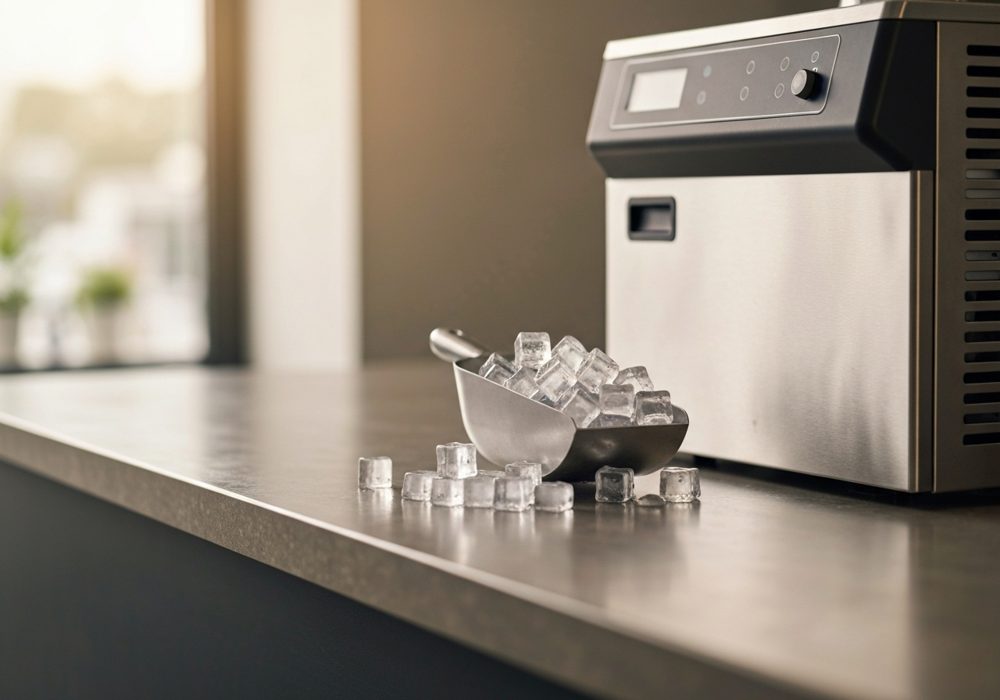
We installed a VEVOR commercial undercounter ice maker in a working café kitchen and ran it through a full season of service — summer afternoons included. Here is exactly how it performed, where it impressed us, and the one weak point you must address before it bites you.
Output and cycle time
This is the number everyone fixates on, so let us be precise about what we saw. In a cool kitchen, with cool incoming water, the machine produced batches on a steady rhythm and came close to its rated daily figure. On hot afternoons — high twenties in the room, warm mains water — cycle times stretched and daily output dropped. That is physics, not a defect: every ice maker slows when it has to reject more heat, but value units have less thermal headroom, so the drop-off is steeper.
Our practical advice: size on roughly 70–80% of the headline rating for a real working kitchen, and more conservatively still if your space runs warm or your water is warm. If you genuinely need the rated figure on your busiest day, buy the next size up. Read our commercial ice maker sizing guide before you commit.
Ice quality
The cubes come out firm, mostly clear and slow to melt — exactly what you want for drinks service and chilled display. They are not the flawless optically-clear cubes a premium gourmet machine makes, and you will spot the odd cloudy core, but in a glass with a drink over it nobody is going to complain. For a café, bar or canteen this is comfortably good enough.
Noise and heat
It is not silent. You get a steady compressor hum and a distinct clatter each time a batch of ice drops into the bin. In a busy back-of-house or a lively front-of-house that disappears into the ambient noise; next to a quiet dining nook it would annoy. Just as important, the machine throws real heat out of the back and sides — it needs clear breathing room, and cramming it into a tight cabinet will hurt both its output and its lifespan. Give it air.
The water-line weak point
Here is the single most important thing in this review. The supplied water-line fitting is the cheapest part of the whole machine, and it is the most common leak and failure point. The plastic connector is thin and the seal is unforgiving of over-tightening.
Cleaning and maintenance
Good news here. The water tray, ice curtain and bin are easy to reach, so a monthly descale-and-sanitise cycle is a genuinely quick job rather than a dreaded one. In a hard-water area, step that up to fortnightly and keep on top of scale — neglected scale is what kills these machines early. Keep a spare water filter and the cleaning routine simple and you will get years out of it.
Pros and cons
What we liked
- Strong real-world output in cool conditions for the price
- Firm, slow-melting, presentable ice
- Genuinely easy to clean and service
- Outstanding value as a primary unit for light/medium volume or a secondary unit anywhere
What to watch
- Output sags noticeably on hot afternoons
- Flimsy supplied water-line fitting — replace it immediately
- Audible and throws heat; needs ventilation space
- Not the gourmet-clear ice of premium machines
Who it's for
Buy it if you run a café, bar, food truck, canteen or event kit and need real commercial ice output without the tier-one price — or if you want a reliable secondary or seasonal machine to take peak-load pressure off a primary unit. Look elsewhere if you will run a single machine flat out, all day every day, in a hot room: that duty cycle wants more thermal headroom than a value unit carries. For the wider picture, see our best VEVOR kitchen equipment guide and the kitchen hub, and pair this with our VEVOR meat grinder review if you are kitting out prep too.
Frequently asked questions
How much ice does it actually make per day?
In a comfortable room our unit produced close to its rated daily figure when ambient and water temperatures were cool, and dropped noticeably on hot afternoons. Plan around the real-world figure of roughly 70 to 80 percent of the headline rating in a working kitchen.
Is the ice good quality?
The cubes are clear-ish, firm and slow to melt — good enough for drinks service and display. They are not the perfectly clear gourmet cubes a high-end machine produces, but for most bars and cafés they are entirely acceptable.
How loud is it?
It is audible — compressor hum plus a clatter each time the batch drops. Fine in a back-of-house or busy front-of-house environment, but we would not put it next to a quiet dining nook. It also throws meaningful heat, so it needs breathing room.
What is the weak point?
The supplied water-line fitting. It is thin and the connection is the most common failure and leak point. We strongly recommend replacing it with a quality braided line and a proper shut-off valve on day one.
How often does it need cleaning?
Run a descale and sanitise cycle roughly monthly in normal use, more often in hard-water areas. The water tray and curtain are easy to reach, which is a genuine plus for routine cleaning.